When your home’s exterior shows cracks, warping, or fading, the most effective remedy is a siding replacement that restores both curb appeal and structural protection. Modern siding options not only seal out moisture and pests but also improve energy efficiency and boost resale value, making the investment worthwhile for homeowners seeking a lasting solution.
Why Replace Siding Now? The Core Benefits
Outdated or damaged siding can compromise a house’s thermal envelope, leading to higher utility bills and increased wear on HVAC systems. According to the U.S. Department of Energy, homes with properly insulated and sealed exteriors can reduce heating and cooling costs by up to 15 %.
Beyond energy savings, a fresh façade shields the underlying structure from water infiltration, rot, and insect damage. In regions prone to hurricanes—such as Florida—upgrading to impact‑resistant materials meets stricter building codes and can qualify for insurance discounts.
Finally, a well‑executed siding replacement enhances the property’s marketability. A 2026 survey by the National Association of Home Builders (NAHB) reported that homes with new siding sell 8 % faster and command an average premium of $12,500 compared with similar properties lacking exterior upgrades.
Choosing the Right Material: From Vinyl to Fiber Cement
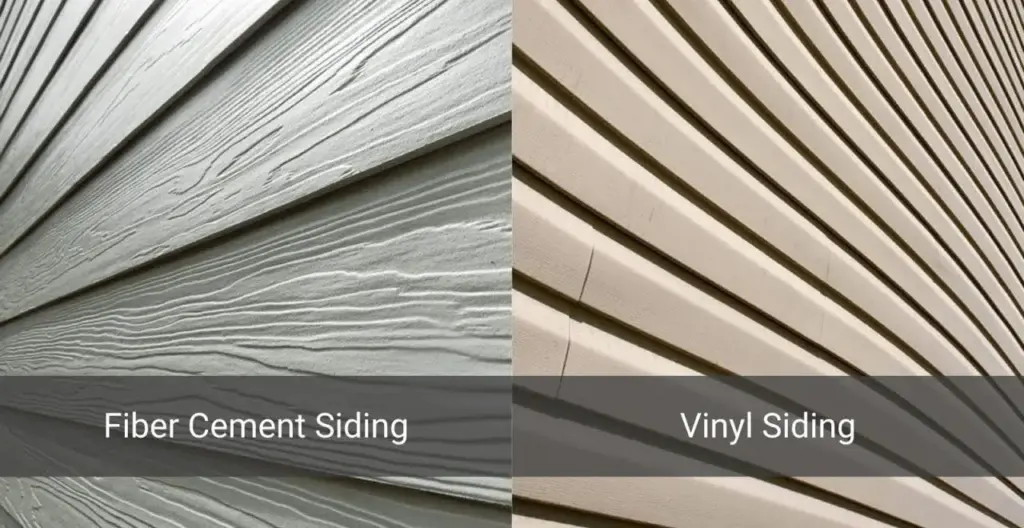
Homeowners often wonder which siding material delivers the best mix of durability, aesthetics, and cost‑effectiveness. Below is a concise comparison of the most popular options in 2026.
Vinyl Siding
Vinyl remains the budget‑friendly champion, with an average installation cost of $3.50‑$5.00 per square foot (Vinyl Siding Uncovered: Benefits, Installation, Costs & ROI in 2026). It resists rot and requires minimal maintenance, though it can become brittle in extreme heat.
Fiber‑Cement (Hardie Board)
Hardie Board offers superior fire resistance (Class A rating) and mimics the look of wood without susceptibility to termites. The 2026 Hardie Board guide notes installation costs ranging from $6‑$9 per square foot, reflecting its longer lifespan—often exceeding 50 years (Hardie Board 2026: The Definitive Guide).
Engineered Wood
Engineered wood blends natural wood grain with a composite core, delivering a balance of aesthetic charm and moisture resistance. Prices sit between vinyl and fiber‑cement, typically $4.50‑$7.00 per square foot.
Metal and Aluminum
Metal siding provides an ultra‑modern look and exceptional durability, especially in coastal climates. Though upfront costs are higher ($9‑$12 per square foot), its lifespan can surpass 70 years, and it reflects solar heat, contributing to lower cooling loads.
Cost Breakdown: What to Expect in 2026
Understanding the full cost structure helps avoid budget overruns. Below is a typical cost composition for a 2,000‑sq‑ft home.
- Materials: 45 % of total cost; varies by choice (e.g., vinyl $4,000, Hardie Board $12,000).
- Labor: 35 %; skilled installers charge $3‑$5 per sq ft, depending on regional labor rates.
- Prep & Removal: 10 %; includes demolition, disposal fees, and any needed repairs to sheathing.
- Additional Features: 10 %; flashing, trim, insulation upgrades, and optional impact‑resistant panels.
Homeowners should also budget 5‑10 % for unexpected issues such as hidden rot or pest damage discovered after the old siding is stripped.
Step‑by‑Step Guide to a Seamless Siding Replacement
Below is a practical, action‑oriented workflow that professional contractors follow, which you can also use to evaluate bids and oversee the project.
1. Initial Assessment & Inspection
Hire a qualified inspector to evaluate the condition of the sheathing, studs, and any moisture intrusion. A thermal imaging scan—available from many home‑energy audit firms—can reveal hidden leaks that could affect the new siding’s performance.
2. Selecting Materials & Securing Permits
Based on climate, budget, and aesthetic preference, choose a siding type. In many municipalities, a permit is required for exterior alterations; the permit process often includes a review of the selected material’s fire rating and wind‑load specifications.
3. Removal of Existing Siding
Carefully detach the old panels to avoid damaging the underlying sheathing. Recyclable vinyl can be diverted to local recycling centers, while fiber‑cement and wood may require disposal at a landfill.
4. Repair and Moisture Barrier Installation
Replace any compromised sheathing, then install a weather‑resistive barrier (WRB) such as a 15‑lb house wrap. This layer is crucial for preventing water infiltration while allowing the wall to breathe.
5. Insulation Upgrade (Optional)
Adding rigid foam board or spray foam insulation at this stage can raise the home’s R‑value by 3‑5 points, directly impacting energy bills.
6. Siding Installation
Professional installers use a nail gun with a consistent spacing pattern—typically 16 inches on center—to secure panels. Proper alignment and overlapping of seams are vital for water shedding.
7. Finishing Touches
Install trim, corner posts, and soffit panels. Apply caulk around windows, doors, and any penetrations to ensure a watertight seal.
8. Final Inspection & Warranty Activation
Schedule a final walkthrough with the contractor and local building inspector. Secure the manufacturer’s warranty, which for Hardie Board, for example, extends up to 30 years for material defects.
Common Mistakes to Avoid During Siding Replacement
- Skipping the WRB: Without a proper weather barrier, moisture can seep behind the siding, leading to mold and rot.
- Using the Wrong Fastener Length: Too short, and panels may loosen; too long, and you risk puncturing the interior insulation.
- Neglecting Flashing Details: Improper flashing around windows and doors is a leading cause of water leaks.
- Underestimating Labor Costs: Low‑ball bids often hide extra charges for disposal or unexpected repairs.
- Choosing Color Without Testing: Sunlight can alter paint perception; always view samples at different times of day.
Real‑World Case Study: A Florida Home’s Transformation
In early 2026, a 3,200‑sq‑ft coastal home in Miami replaced its aged vinyl siding with impact‑resistant Hardie Board. The project cost $22,400, including a $2,500 upgrade to insulated house wrap. Post‑installation energy audits revealed a 12 % reduction in cooling loads during the summer months. Moreover, the homeowner’s insurance premium dropped by 7 % due to the enhanced wind‑storm protection. After a year on the market, the property sold for $28,000 above the neighborhood average, underscoring the strong ROI of strategic siding replacement.
Frequently Asked Questions (FAQ)
How long does a typical siding replacement take?
For an average single‑family home (≈2,000 sq ft), the process usually spans 7‑10 business days, assuming no major structural repairs are needed.
Can I install siding myself?
While DIY kits exist for vinyl siding, most professionals recommend hiring certified installers for fiber‑cement or metal options to ensure compliance with wind‑load and fire‑rating standards.
What is the expected lifespan of different siding types?
Vinyl: 20‑30 years; Fiber‑cement (Hardie Board): 40‑60 years; Engineered wood: 25‑35 years; Metal: 50‑70 years.
Does siding replacement affect home insurance?
Yes. Upgrading to impact‑resistant or fire‑rated siding can lower premiums, especially in high‑risk regions. Always consult your insurer for specific discounts.
How does new siding influence energy efficiency?
When paired with a high‑quality WRB and optional insulation, new siding can improve a home’s overall R‑value by 2‑5 points, translating into measurable utility savings.
Finding the Right Contractor: A Pro‑Guided Checklist
Choosing a reputable siding contractor is as crucial as selecting the material itself. Refer to the Find Top Siding Companies Near Me: Expert Guide for a step‑by‑step vetting process, including verification of licensing, insurance, and past project references.
- Ask for at least three written estimates.
- Verify the contractor’s warranty coverage and manufacturer affiliations.
- Check online reviews on platforms such as Better Business Bureau and Angie’s List.
- Confirm that the crew follows OSHA safety standards, especially when working at heights.
Future Outlook: Siding Innovations to Watch in 2027 and Beyond
Research from the Building Science Corporation predicts a surge in “smart siding” that integrates photovoltaic cells and embedded temperature sensors. These panels could generate supplemental power for home lighting while providing real‑time data on wall moisture levels, enabling proactive maintenance.
Another emerging trend is the use of recycled composites, which combine post‑consumer plastic with reclaimed wood fibers, offering a sustainable alternative with comparable durability to traditional fiber‑cement.
Conclusion: Making the Right Replacement Decision
Investing in a siding replacement today equips your home with a resilient, energy‑efficient envelope that pays dividends through lower utility bills, higher resale value, and peace of mind against weather threats. By selecting the appropriate material, budgeting realistically, and partnering with a qualified contractor, you can ensure a seamless upgrade that lasts for decades.
Ready to start your exterior renovation? Explore the Siding for House 2026: Complete Guide to Materials, Costs, Installation & ROI for a deeper dive into product selections and financing options.
