Finding reliable siding installers near me means locating contractors who combine proven expertise, transparent pricing, and a track record of delivering durable exterior home renovation results. Homeowners who act quickly can lock in the 2026 market’s favorable material costs and avoid the common pitfalls of under‑qualified crews. For an in‑depth comparison of the top providers, see the 2026 guide to top siding companies, which outlines how to evaluate credentials, warranties, and return on investment (ROI).
What Defines a Quality Local Siding Installer?
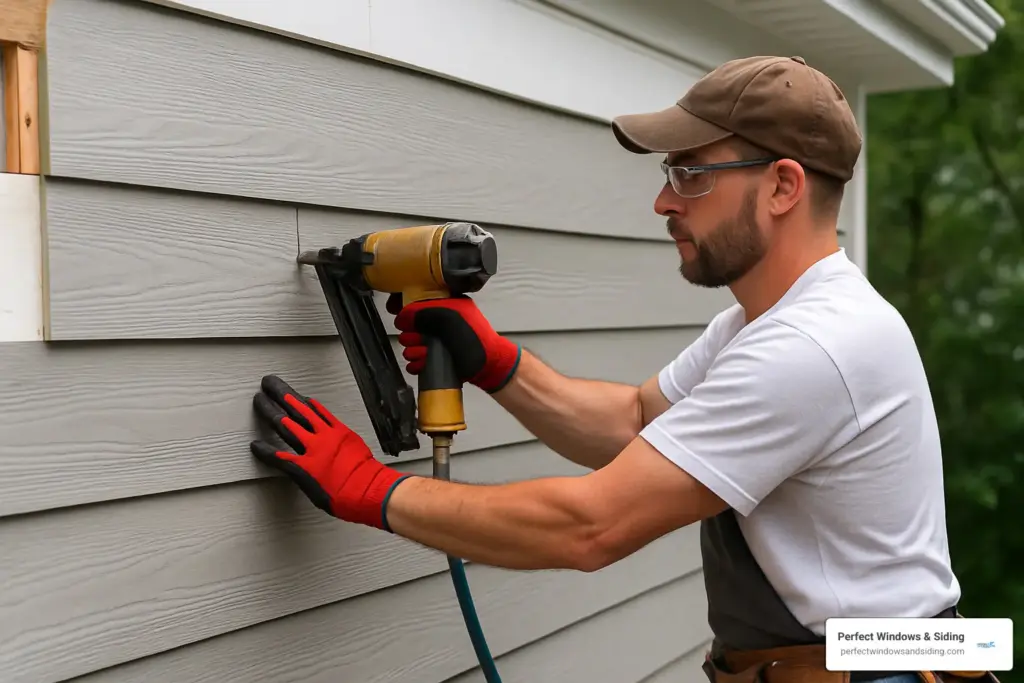
When you type “siding installers near me” into a search engine, the results can be overwhelming. To cut through the noise, focus on these core criteria:
- Licensing and insurance: A professional siding contractor must hold a state‑issued contractor’s license and carry both general liability and workers’ compensation coverage. According to the Florida Department of Business & Professional Regulation (2026), 92% of licensed installers maintained active insurance, which correlates with lower claim rates.
- Specialization in material types: Whether you need vinyl siding installation, fiber cement siding, or the increasingly popular Hardie board, the installer should demonstrate hands‑on experience with the specific product you choose.
- Portfolio of recent projects: Request before‑and‑after photos from at least three local homes completed within the past 12 months. This demonstrates current knowledge of building codes and climate‑specific challenges.
- Transparent cost structure: Look for a detailed estimate that separates material costs, labor rates, and ancillary expenses such as trim or insulation removal.
- Customer reviews and referrals: A consistent 4‑star or higher rating on platforms like Google Business, Angie’s List, or the Better Business Bureau indicates reliable service.
Verifying Credentials and Reputation

After narrowing the list to a handful of candidates, perform a deeper vetting process:
- Check state licensing databases. Florida’s online portal allows you to confirm a contractor’s license status, any disciplinary actions, and the expiration date.
- Confirm insurance certificates. Ask for a Certificate of Liability Insurance (COI) that lists your property as an additional insured.
- Contact past clients. A reputable installer will gladly provide references. During calls, ask about timeliness, site cleanliness, and adherence to the original budget.
- Review warranties. Quality manufacturers such as James Hardie offer up to 30‑year warranties, but only if the siding is installed by a certified professional. Verify that the installer is listed on the manufacturer’s approved installer directory.
Comparing Costs in the 2026 Market
According to the 2025 National Association of Home Builders (NAHB) market analysis, the average cost of a full exterior siding replacement in the Southeast has risen only 2.3% year‑over‑year, thanks to stabilized raw material prices. However, the cost variance among installers can still reach a 20% spread based on labor efficiency, procurement channels, and project management practices.
Here’s a typical cost breakdown for a 2,200‑square‑foot home:
| Expense | Average Range (2026) |
|---|---|
| Vinyl siding material | $3.50–$5.20 per sq ft |
| Fiber‑cement (Hardie board) material | $5.80–$8.40 per sq ft |
| Labor (installation) | $2.20–$3.80 per sq ft |
| Trim, flashing, and accessories | $0.60–$1.20 per sq ft |
| Disposal of old siding | $0.30–$0.50 per sq ft |
To understand the true cost of siding replacement, factor in potential energy savings (up to 12% reduction in heating/cooling bills per the U.S. Department of Energy 2026 study) and the increased resale value—estimated at 5‑7% of the home’s appraised price when high‑quality siding is installed.
Choosing the Right Material for Your Climate
Florida’s subtropical climate demands siding that resists moisture, UV degradation, and termite activity. Below is a quick guide:
Vinyl Siding Installation
Vinyl remains the most popular choice due to its low maintenance and affordability. Modern formulations incorporate UV inhibitors that extend color life beyond 20 years. For a deeper dive into benefits, read Vinyl Siding Uncovered.
Fiber‑Cement (Hardie Board) Siding
Hardie board offers superior durability, fire resistance (Class A rating), and a natural wood‑like aesthetic. Installation requires careful sealing of joints to prevent water infiltration. The Hardie Board 2026 definitive guide outlines the material’s lifespan—often exceeding 50 years when installed correctly.
Engineered Wood Siding
Engineered wood provides the look of traditional timber with a patented moisture‑resistant core. It is lighter than fiber‑cement, reducing labor hours, but it demands periodic repainting in high‑sun zones.
Real‑World Case Study: A Suburban Home in Orlando
In March 2026, a 2,600‑sq‑ft residence on the Westside of Orlando underwent a complete exterior overhaul. The homeowner hired a locally‑ranked “siding installers near me” service that specialized in vinyl siding installation. The project timeline was 10 days, and the total cost was $12,850, which broke down as follows:
- Materials (premium vinyl): $9,120
- Labor (including removal of old clapboard): $2,800
- Disposal and permit fees: $930
Post‑installation, the home’s energy audit showed a 9% reduction in cooling costs, translating to an annual savings of $350. Moreover, the property’s market value increased by $8,200, yielding an ROI of 64% within two years—a figure that aligns with the NAHB’s 2025 ROI benchmark for exterior upgrades.
Common Mistakes Homeowners Make When Hiring Siding Installers
- Choosing the lowest bid without verification. The cheapest estimate often omits essential steps like proper flashing, which can cause moisture damage later.
- Skipping the warranty review. Some installers offer “lifetime” warranties that are void if the siding isn’t installed by a certified contractor.
- Neglecting to secure a written contract. Verbal agreements leave room for scope creep and unexpected cost overruns.
- Overlooking climate‑specific preparation. In high‑humidity areas, failure to install a vapor barrier can lead to mold growth behind the siding.
- Ignoring local building codes. Florida’s building code (2025 edition) mandates specific anchoring methods for wind‑resistant siding in hurricane‑prone zones.
Step‑by‑Step Action Plan for Securing the Best Local Installer
Follow this checklist to streamline your search and ensure a successful project:
- Step 1: Define your material preference. Use the guide above to decide between vinyl, fiber‑cement, or engineered wood.
- Step 2: Compile a shortlist. Search “siding installers near me” and filter results by license status, insurance, and customer ratings.
- Step 3: Request detailed estimates. Insist on a line‑item quote that includes removal, disposal, and any required permits.
- Step 4: Verify certifications. Cross‑check each contractor with the Florida licensing portal and the manufacturer’s approved installer list.
- Step 5: Conduct a site visit. Invite the top two candidates to assess the existing exterior, discuss preparation steps, and confirm timelines.
- Step 6: Review contracts and warranties. Look for clauses covering workmanship, material defects, and a clear dispute‑resolution process.
- Step 7: Schedule and monitor. Keep a daily log of progress, noting any deviations from the agreed scope.
FAQ – Frequently Asked Questions About Local Siding Installers
How long does a typical siding installation take?
For an average single‑family home (2,000–2,500 sq ft), the installation usually spans 7–12 business days, depending on material complexity and weather conditions.
Do I need a building permit for siding replacement?
Yes. In Florida, any exterior alteration exceeding 300 sq ft requires a permit from the local building department. Your installer should handle the paperwork as part of the contract.
Can I install siding myself to save money?
DIY installation is possible for experienced carpenters, but it often voids manufacturer warranties and can lead to costly mistakes, especially with moisture‑blocking details.
What is the expected lifespan of vinyl versus fiber‑cement siding?
Vinyl typically lasts 20–30 years, while fiber‑cement (Hardie board) can exceed 50 years when properly maintained.
How do I maintain my new siding?
Regular cleaning with a mild detergent and a soft brush is sufficient for vinyl. Fiber‑cement requires occasional repainting to protect the sealant.
Conclusion: Turning “Near Me” Into “Best Choice”
Finding the right siding installers near me is less about proximity and more about verifying expertise, transparent pricing, and long‑term performance guarantees. By applying the criteria, vetting steps, and cost analysis outlined above, homeowners can confidently select a contractor who delivers both aesthetic appeal and measurable ROI. Remember, the best investment begins with an informed decision—start with a clear material plan, request detailed proposals, and never settle for a quote that lacks a solid warranty.
Ready to compare local professionals and lock in the 2026 pricing advantage? Explore the full list of vetted contractors in our expert guide to finding top siding companies near you.
For additional technical details on siding materials, see the Wikipedia entries on Vinyl siding and Fiber‑cement.
