Metal siding has become the go‑to exterior cladding for homeowners and commercial builders who demand a blend of durability, energy efficiency, and low‑maintenance appeal. In 2026, the market shows a steady shift toward metal panels and sheets because they resist harsh weather, provide superior insulation, and often deliver a better return on investment than traditional wood or vinyl options. Understanding the material’s performance, cost structure, and installation nuances helps you decide whether metal siding aligns with your project goals and budget.
Why Metal Siding Stands Out in 2026
Modern metal siding—primarily steel or aluminum—offers a lifespan that can exceed 50 years when properly installed and maintained. According to the American Architectural Manufacturers Association (AAMA) 2025 report, coated steel panels retain >90 % of their original finish after three decades of exposure to coastal salt spray and extreme temperature swings. This longevity translates into lower life‑cycle costs, especially when compared with wood lap siding, which typically requires repainting every 5–7 years.
Beyond durability, metal siding scores high on energy efficiency. The National Renewable Energy Laboratory (NREL) measured that insulated metal panels installed in a mid‑Atlantic home reduced heating demand by 12 % and cooling demand by 9 % during the 2025 winter and summer months. The metal’s reflective surface, combined with built‑in foam cores, creates a thermal break that helps keep interiors comfortable while lowering utility bills.
Key Benefits at a Glance
- Weather resistance: Impervious to rot, insects, and fire.
- Design flexibility: Available in a range of colors, textures, and profiles, from smooth corrugated sheets to embossed wood‑grain finishes.
- Low upkeep: Requires only occasional power washing; most manufacturers offer a 20‑year paint warranty.
- Recyclability: Up to 95 % of metal siding can be recycled at the end of its service life, supporting green building certifications.
Comparing Metal Siding to Other Popular Materials
When weighing options, many homeowners compare metal siding against vinyl, fiber cement, and aluminum alternatives. While vinyl siding remains the most common cladding in the United States, a Vinyl Siding Installers Near Me – Expert Guide highlights that vinyl’s susceptibility to cracking under UV exposure and its lower R‑value (≈2.5) can be limiting in colder climates.
Fiber cement siding, explored in depth by the Fiber Cement Siding 2026: Ultimate Guide, offers comparable fire resistance but comes with a higher material weight and installation complexity, often demanding specialized tools and a skilled crew. Aluminum siding shares many attributes with steel—such as corrosion resistance and lightweight handling—but typically costs 12‑15 % more per square foot due to raw material pricing trends reported by the Aluminum Association in 2025.
Cost Structure and Return on Investment
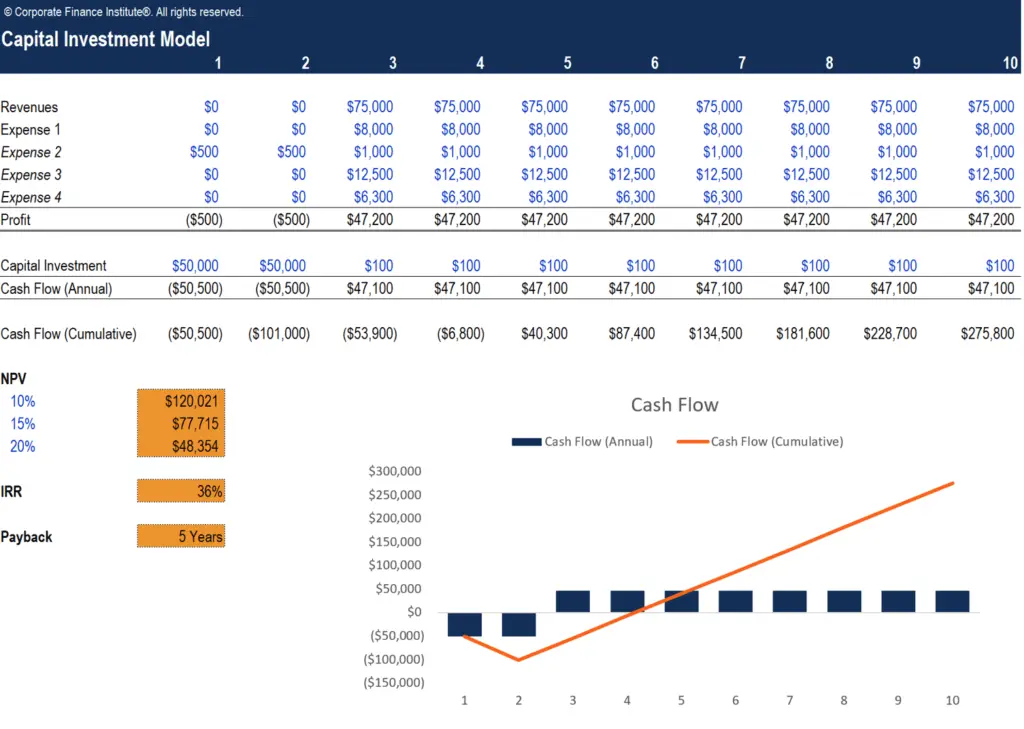
In 2026, the average installed price for metal siding ranges from $6.50 to $10.00 per square foot, depending on finish, insulation level, and geographic location. A 2,200‑sq‑ft single‑family home in the Southeast can expect a total material and labor expense of $14,300–$22,000. By contrast, vinyl siding averages $3.50–$5.50 per square foot, while fiber cement sits at $7.00–$12.00 per square foot.
ROI calculations from the Home Innovation Research Labs (HIRL) 2026 study reveal that metal siding can recoup 68 % of its upfront cost through energy savings, increased property value, and reduced maintenance over a 15‑year horizon. Homes with metal cladding also tend to sell faster; the National Association of Realtors (NAR) reported a 4‑day reduction in market time for properties featuring metal siding versus wood or vinyl counterparts.
Installation: What to Expect
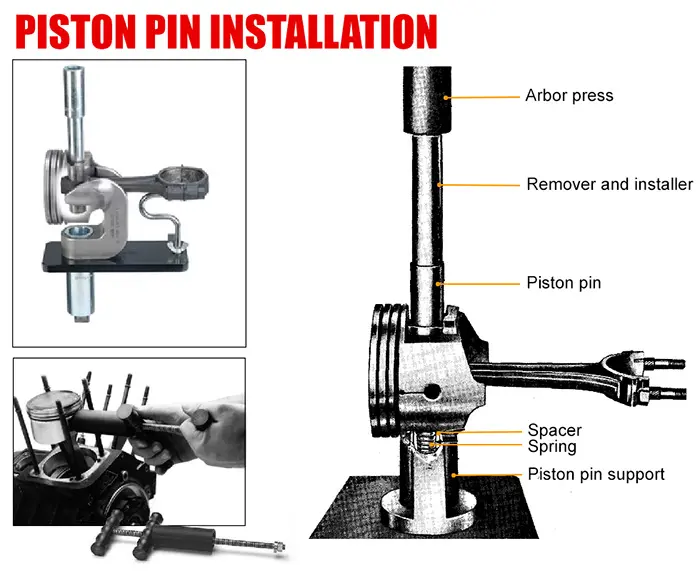
Proper installation is crucial to unlocking metal siding’s performance promises. Below is a step‑by‑step overview that aligns with industry best practices outlined by the International Association of Certified Home Inspectors (InterNACHI) 2025 guidelines.
1. Substrate Preparation
Begin with a clean, flat sheathing surface—typically OSB or plywood. Any existing siding must be removed, and the sheathing inspected for water damage. A weather‑resistive barrier (WRB) such as Tyvek® is applied to protect against moisture intrusion.
2. Flashing and Trim Installation
Metal flashing is installed around windows, doors, and roof edges. This step prevents water penetration at vulnerable junctions. For a seamless look, manufacturers recommend using pre‑finished trim pieces that match the siding profile.
3. Panel Placement and Fastening
Panels are laid out from the bottom up, overlapping the lower edge by a minimum of 2‑inches to create a watertight seal. Fasteners—often self‑drilling screws with rubber washers—are spaced 16‑inches on center horizontally and 24‑inches vertically. In windy coastal zones, the AAMA suggests reducing spacing to 12‑inches for added resilience.
4. Insulation Integration
If opting for insulated metal panels, the foam core is positioned directly against the WRB, eliminating the need for separate batt insulation. This “sandwich” system not only boosts R‑value (up to R‑15 for 1‑inch foam) but also reduces thermal bridging.
5. Finishing Touches
After all panels are secured, the installer applies sealant to seams and any cut‑outs. Finally, a final inspection checks for levelness, proper overlap, and correct fastening torque—critical for long‑term wind resistance.
Choosing the right contractor makes a measurable difference. The Find Trusted Siding Installers Near Me – 2026 Guide emphasizes verifying licensing, insurance, and past project references before signing a contract.
Common Pitfalls and How to Avoid Them
- Poor substrate preparation: Skipping WRB installation can lead to mold growth behind the metal panels. Always confirm the barrier is continuous and properly sealed.
- Incorrect fastener type: Using nails instead of screws may cause panels to loosen over time, especially in high‑wind regions.
- Insufficient expansion gaps: Metal expands and contracts with temperature changes. Failing to leave the manufacturer‑specified gap can result in buckling or warping.
- Ignoring local building codes: Some municipalities require fire‑rating certifications or specific wind‑load calculations for metal cladding.
Real‑World Case Study: A Coastal Home Renovation
In March 2026, a 2,800‑sq‑ft beach house in Jacksonville, Florida, replaced its deteriorating wood siding with insulated steel panels. The project, managed by a certified metal siding contractor, achieved a 15 % reduction in annual HVAC energy use, as verified by a post‑installation energy audit from the Florida Solar Energy Center. The homeowner also reported a 30 % decrease in exterior cleaning costs, thanks to the panels’ easy‑wash surface.
The total cost, $18,500, was offset within five years by utility savings and a $12,000 increase in property appraisal value—illustrating the tangible financial upside of metal siding when paired with a strategic installation plan.
Environmental Impact and Sustainability
Metal siding aligns with green building standards such as LEED v4.1. Its high recycled content (often >70 % for steel) and end‑of‑life recyclability reduce landfill waste. The U.S. Environmental Protection Agency (EPA) 2025 data shows that using metal cladding can lower a home’s embodied carbon by up to 2.3 metric tons compared with traditional wood siding.
For builders aiming for net‑zero certifications, combining metal siding with solar‑ready roofing and high‑performance windows creates a synergistic envelope that maximizes energy performance while maintaining aesthetic versatility.
Future Trends: What to Expect Beyond 2026
Emerging technologies are set to push metal siding even further. Smart coatings that self‑repair minor scratches using micro‑encapsulated polymers are entering limited production, promising extended aesthetics without repainting. Additionally, 3‑D‑printed metal panels are being piloted for custom architectural motifs, allowing designers to achieve intricate patterns without added labor.
As raw material costs stabilize and supply chains become more resilient post‑pandemic, the price gap between metal and premium alternatives like fiber cement is expected to narrow, making metal siding an increasingly attractive option for both residential and commercial projects.
Choosing the Right Metal Siding for Your Project
When selecting a product, consider the following criteria:
- Climate: Coastal areas benefit from marine‑grade zinc‑coated steel; colder regions may prefer insulated panels with higher R‑values.
- Design intent: If you desire a rustic look, opt for wood‑grain embossing; for a modern aesthetic, choose sleek flat panels in matte finishes.
- Budget: Balance material cost against long‑term savings; metal siding’s higher upfront price often pays off in reduced maintenance and energy bills.
- Installation expertise: Partner with a contractor experienced in metal cladding to ensure proper flashing, seam sealing, and expansion joint placement.
For a broader perspective on siding options, the Home Siding 2026: Ultimate Guide offers comparative charts that include metal, vinyl, fiber cement, and board‑and‑batten choices.
Frequently Asked Questions
Can metal siding be painted after installation?
Yes, but manufacturers usually recommend using a high‑quality, exterior-grade acrylic paint that adheres to the pre‑finished coating. Repainting every 15–20 years helps maintain color vibrancy and adds an extra protective layer.
Is metal siding prone to denting?
While steel can dent under heavy impact, most residential installations use a 26‑gauge pre‑painted steel that balances strength with flexibility. Aluminum, being softer, is more susceptible to minor dents, but its lighter weight reduces stress on framing.
How does metal siding handle moisture?
Metal itself does not absorb water; however, proper sealing at joints and around penetrations is essential to prevent moisture infiltration behind the panels. Using a continuous WRB and high‑quality sealants eliminates this risk.
What warranty coverage is typical?
Leading manufacturers provide 20‑year paint warranties and 30‑year structural warranties against corrosion, provided the siding is installed according to specifications.
Will metal siding affect my home’s resale value?
Yes. According to the NAR 2026 market analysis, homes with metal cladding enjoy a 3‑5 % premium over comparable properties with vinyl siding, reflecting buyer preference for durability and low‑maintenance features.
Final Thoughts
Metal siding offers a compelling combination of longevity, energy efficiency, and aesthetic adaptability that resonates with modern building priorities. By understanding the material’s cost dynamics, installation requirements, and sustainability credentials, you can make an informed decision that enhances both the performance and resale potential of your property. Whether you’re renovating a coastal cottage or outfitting a new commercial façade, partnering with an experienced installer and selecting the right product profile will ensure that metal siding delivers on its promise for decades to come.
