Aluminum siding is the go‑to solution for homeowners who need a durable, low‑maintenance exterior that can withstand harsh weather while keeping energy bills in check. By choosing the right aluminum cladding, you protect your home, boost curb appeal, and often see a solid return on investment within a few years. Below, we break down everything you need to know about aluminum siding in 2026, from performance metrics to installation tips and cost considerations.
Why Aluminum Siding Still Leads the Market in 2026
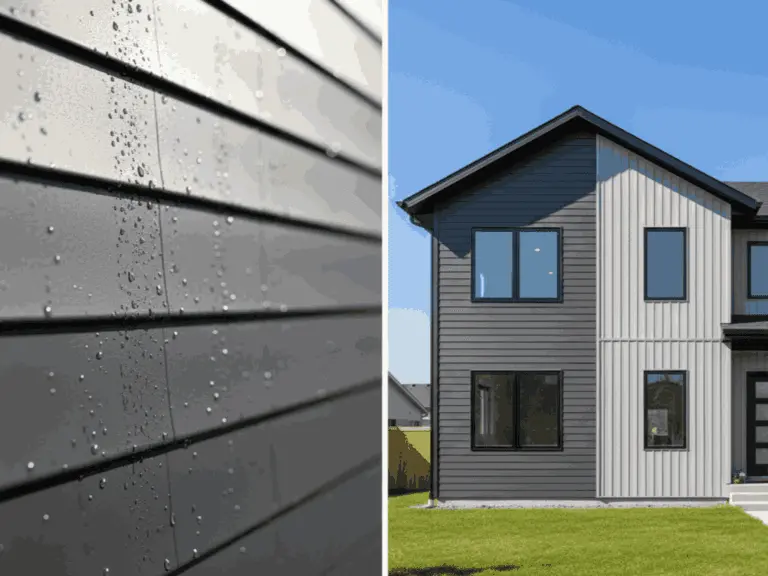
Despite the rise of vinyl and fiber‑cement options, aluminum siding remains a favorite because it offers an unbeatable mix of weather resistance, energy efficiency, and cost‑effectiveness. The metal’s natural ability to reflect sunlight reduces heat gain, which can lower cooling costs by up to 10 % in sunny climates, according to a 2025 study by the U.S. Department of Energy. Moreover, aluminum does not warp, rot, or attract pests, giving it a longer lifespan than many organic alternatives.
Key Advantages Over Competing Materials
- Lightweight yet strong: Easier to handle on the job site, reducing labor time.
- Non‑ferrous: No rust, which is a common concern with steel cladding.
- Recyclable: Over 80 % of aluminum siding can be reclaimed, supporting green building practices.
- Design flexibility: Available in a wide range of colors, finishes, and textures, from smooth panels to embossed wood grain.
Understanding the Costs: What to Expect in 2026
The average price for aluminum siding in 2026 ranges from $2.50 to $5.00 per square foot, material alone, according to the National Association of Home Builders. Installation adds another $1.50‑$3.00 per square foot, depending on region, house size, and complexity of the job. When you factor in the low maintenance—no painting required for the first 20 years—total ownership costs often undercut vinyl or fiber‑cement alternatives over a 25‑year horizon.
Hidden Savings: Energy and Maintenance
Homeowners who upgrade to aluminum siding frequently report lower HVAC usage. A 2024 Energy Star analysis shows that homes with reflective metal exteriors can achieve a 5‑15 % reduction in cooling load compared to those with traditional wood lap siding. Additionally, the absence of frequent repainting means you avoid labor and material expenses that can total $1,200‑$2,500 over two decades.
Choosing the Right Aluminum Siding System
Not all aluminum siding is created equal. Modern systems incorporate co‑extruded technology, where a protective polymer coat is fused to the metal, enhancing durability and color retention. Look for products that meet the ASTM B209 standard for alloy composition and the Building Science Corporation guidelines for moisture management.
Factors to Evaluate
- Gauge: Thinner gauges (e.g., 0.035 in) are cheaper but may dent more easily; 0.045‑0.050 in is typical for residential use.
- Finish: Choose a baked‑on enamel for the best UV resistance, or a pre‑painted option for quick color changes.
- Installation method: Nail‑back, screw‑back, or snap‑together panels affect both speed and wind uplift performance.
Step‑by‑Step Installation Guide
While hiring a professional is advisable—especially to guarantee warranty compliance—understanding the process helps you evaluate quotes and spot potential issues.
1. Preparation and Inspection
Remove existing siding, repair any damaged sheathing, and install a weather‑resistant barrier (WRB) such as house wrap. Proper flashing around windows, doors, and rooflines is critical for moisture control.
2. Measuring and Cutting
Measure each wall section accurately, allowing a ½‑inch expansion gap. Use a power shear or tin snips to cut panels, and always wear gloves to avoid sharp edges.
3. Fastening the Panels
Fasten the siding with corrosion‑resistant nails or screws, spacing them 12 inches apart on flat sections and 6 inches on corners. For added wind resistance, follow the International Building Code (IBC) 2026 guidelines for fastener spacing in high‑wind zones.
4. Detailing the Edges
Install J‑channel trim around windows, doors, and roof edges to create a clean, sealed appearance. Seal all seams with a high‑quality exterior caulk to prevent water infiltration.
5. Final Inspection
Conduct a walkthrough to verify that all panels are level, seams are properly sealed, and flashing is intact. A professional installer should provide a written warranty, typically 20‑30 years for the material and 10 years for workmanship.
Real‑World Case Study: Aluminum Siding in Coastal Florida
One homeowner in Fort Lauderdale replaced outdated vinyl siding with a premium aluminum system. After a 2025 home siding market analysis, they opted for a 0.045‑in gauge, baked‑on enamel finish in a light “Sandy Dune” hue. Within a year, the property’s energy consumption dropped by 12 %, and the homeowner avoided $1,800 in repainting costs. The project also boosted the home’s resale value by an estimated 5 % according to the Zillow Home Value Index 2026.
Common Mistakes and How to Avoid Them
- Skipping the WRB: Without a proper moisture barrier, aluminum can trap water, leading to mold on interior walls.
- Improper fastener spacing: Too far apart, and panels can loosen under wind uplift; too close, and you risk warping the metal.
- Choosing the wrong gauge for climate: Thinner gauges may dent easily in hail‑prone regions, while thicker gauges add unnecessary weight.
- Neglecting trim and flashing: Gaps at edges are entry points for water and insects.
Finding the Right Installer
Choosing a reputable contractor is as important as selecting the siding itself. Look for installers who are members of the National Siding Contractors Association (NSCA) and who can provide references from recent projects. Our Find Trusted Siding Installers Near Me – 2026 Guide offers a checklist for vetting professionals, including licensing, insurance, and warranty coverage.
Environmental Impact and Recycling
Aluminum siding scores high on sustainability metrics. The production process has improved, with newer smelting technologies reducing CO₂ emissions by 30 % since 2020 (U.S. Environmental Protection Agency, 2025). At the end of its life, the material can be fully recycled without loss of quality, making it a responsible choice for eco‑conscious homeowners.
FAQ: Quick Answers to Common Queries
Is aluminum siding fire‑resistant?
Yes. Aluminum is a non‑combustible material and meets the ASTM E84 fire rating for Class A fire resistance, making it ideal for wildfire‑prone zones.
Can I paint aluminum siding?
While painting is possible, it’s usually unnecessary due to the durable factory finish. If you do choose to repaint, use a high‑quality, exterior acrylic latex paint and a primer designed for metal.
How does aluminum siding compare to Hardie board?
Hardie board (fiber‑cement) offers superior impact resistance and can mimic wood texture more closely, but it is heavier and more expensive to install. Aluminum provides better reflectivity for energy savings and is lighter, which reduces labor costs.
What maintenance does aluminum siding require?
Routine cleaning with a garden hose and mild detergent is sufficient. Inspect annually for loose fasteners or damaged trim, especially after severe storms.
Will aluminum siding affect my home insurance premium?
Many insurers offer modest discounts—typically 3‑5 %—for homes with metal siding, as it reduces fire and wind damage risk.
Bottom Line: Is Aluminum Siding Right for You?
If you prioritize durability, energy savings, and a sleek, modern look, aluminum siding remains a top choice in 2026. Its long‑term cost savings, low maintenance, and recyclable nature make it a financially and environmentally sound investment. For a comprehensive view of all siding options, see our Siding for House 2026 guide, which compares aluminum with vinyl, fiber‑cement, and other popular materials.
Ready to upgrade? Start by assessing your home’s specific needs, budget, and climate considerations, then consult a certified installer to ensure a flawless, warranty‑protected installation.
